


I previously wrote how short form video, TikTok and Instagram in particular, are intellectual poison (and even more so for the youth). Then I shared research on how SFV is a cancer of the mind, a meta-analysis of 71 studies covering 98,000 participants linking heavy use to attention deficits, anxiety, addiction-like behavior, and declining academic performance. Someone linked me to even more new research we’ll go through today that was pretty interesting.
Researchers published a brain imaging study in npj Science of Learning putting participants in fMRI machines to see what’s actually happening neurologically when people consume multiple short videos versus a single continuous one. Two groups watched the exact same content about a relatively obscure tourist destination, one as a single continuous 10-minute video, the other as 7 short clips formatted in the style of typical SFV you’d see while scrolling. The only difference was the fragmentation. Immediately after, both groups were put into fMRI machines and given a memory test while their brains were scanned in real time, the imaging capturing blood flow to reveal which neural regions were actually firing during recall.
This matters because short video is essentially constant context switching: one topic, setting, or style bleeding into the next with no time for your brain to breathe. Anyone who's felt mentally drained after a scrolling session knows this intuitively. That relentless turnover makes it far more difficult to build strong, unified memories, whereas a continuous narrative over a longer timeframe gives the mind the connective tissue to link new information into something retrievable.
The results were stark. The continuous video group recalled about 66% of what they watched. The short video group? 43%. That’s your brain being measurably broken by the delivery format alone.
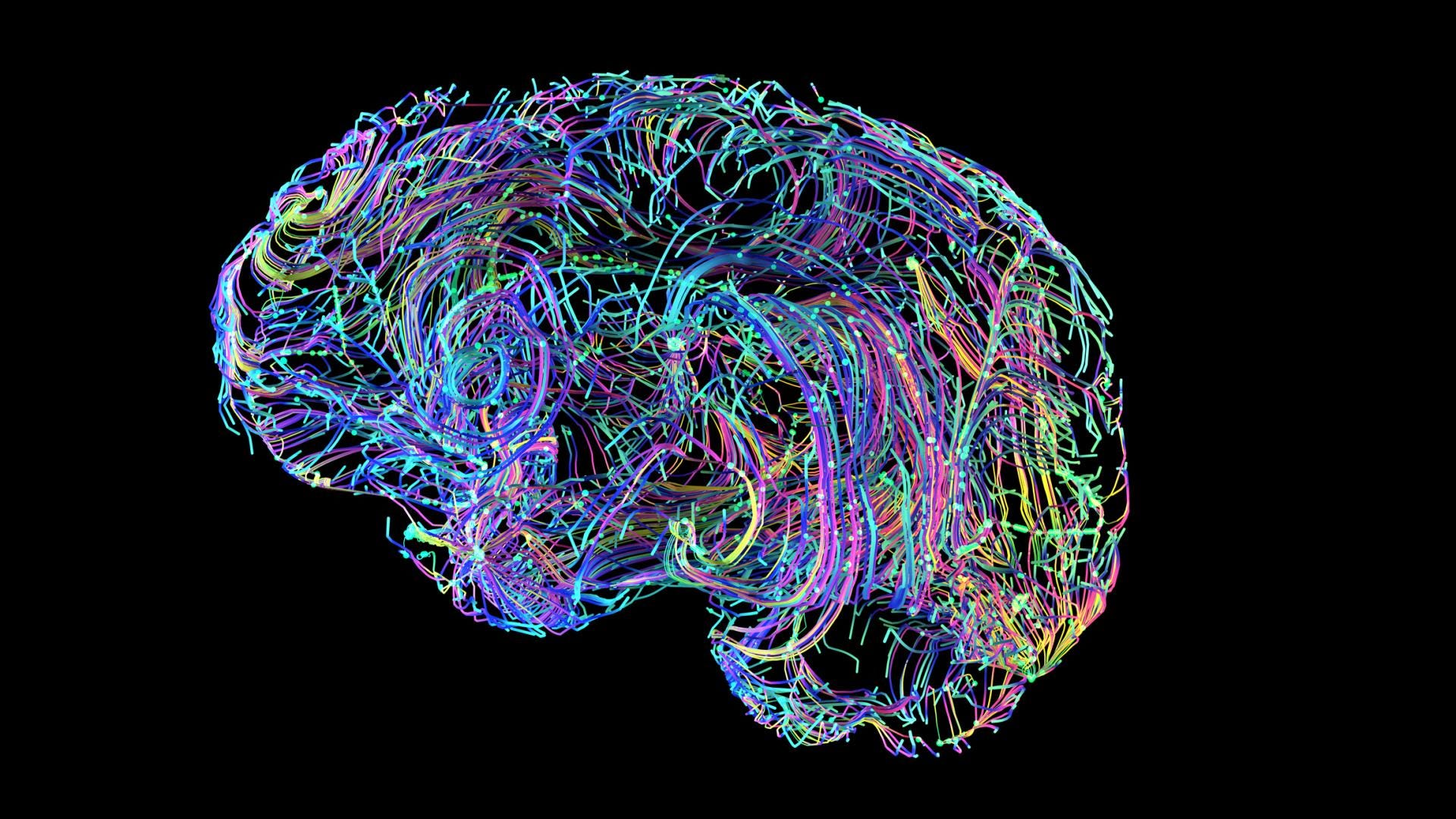
But the brain scan data is the more interesting part of this story. Short video viewers showed reduced activity in three distinct regions during memory retrieval: the claustrum (which integrates sensory details into coherent memories), the caudate nucleus (which drives goal-directed focus and motivated searching of memory), and the middle temporal gyrus (which connects language to deeper thematic meaning). The connectivity between these regions was weaker too, the brain’s executive control and information integration systems simply weren’t talking to each other properly.
As I wrote in the first two links above, these platforms function like a digital Skinner box, training users to crave fragmented dopamine hits at the expense of sustained thought. Now we see what that looks like on a brain scan, and it shows the story within our physiology. The neural architecture required for memory, focus, and deep comprehension is literally being undermined by the format itself before you even consider the content, the algorithms, or the hours lost. And speaking of the video content fed to Americans on TikTok and Instagram, well, you don’t need a research team to tell you about this.
The researchers also noted that people who already struggle with self-control around media had to exert extra neural effort just to achieve basic recall, a strained, low-efficiency adaptation to high levels of exposure to a toxic media format. You’re working harder to remember less.
This is your mind on short form video. Delete the apps and free your cognition. You’re severely harming yourself in the knowledge economy until you do.
A practical tip to reduce accidential consumption: Use the Brave Browser instead of the YouTube app on your mobile phone. Go to settings -> Media and disable "short videos" for YouTube. Done!
SFV truly does change short term, memory and mental processing. Far more research is required to assess, scientifically, the long term impact (especially on younger humans).
That said, adults need to manage their own SFV media time before applying limits and guardrails to their own children. Phone addiction is real, which a quick stroll through any public place in America will confirm.
A brief window still exists in which we can prove to ourselves, and the next generation, that we can live without the phone. Be that for entertainment, information or navigation. SFV is merely that latest distraction that causes people to look at a screen, rather that each other.